
Chiropractic care treats workplace injury pain through low-force techniques like the Activator Method®, which restores movement without forceful manipulation. Chiropractors at Morgenstern Chiropractic address lifting injuries, repetitive strain, and accident trauma by reducing inflammation, decreasing stiffness, and improving range of motion, while providing documentation that supports workers’-compensation claims and structured recovery timelines.
What Happens When a Workplace Injury Goes Untreated?
Untreated workplace injuries rarely stay small. A strained back or a stiff shoulder that gets ignored often spreads into daily discomfort, disrupted sleep, and reduced ability to perform basic job tasks. Left alone, lingering pain and stiffness can begin to take over an injured worker’s life, affecting focus at work and patience at home.
Pain management from workplace injuries starts with recognizing that delays can lead to longer recovery times and increased discomfort. Morgenstern Chiropractic, based in Torrance, California, treats employees recovering from job-related injuries before minor strain hardens into a chronic condition. Delaying care can lead to longer recovery times and a more challenging path back to full function.
Does Skipping Treatment Make Recovery Harder?
Yes. Muscles and joints compensate for injury by tightening or shifting load elsewhere, which creates secondary pain in new areas. What began as a single strained muscle can turn into a pattern of stiffness across the neck, shoulders, and lower back.
What Are the Warning Signs an Injury Needs Attention?
Several signals suggest a workplace injury needs professional evaluation rather than rest alone:
- Pain that persists beyond a few days or worsens with normal movement
- Reduced range of motion in the neck, shoulder, or back
- Numbness, tingling, or weakness radiating into an arm or leg
- Stiffness that limits the ability to elevator, bend, or sit through a shift
Addressing these signs early matters. Low-force chiropractic care improves mobility, reduces pain, and restores overall function without relying on forceful manipulation, giving injured employees a clearer, more manageable road back to normal work.

How Does Chiropractic Care Manage Injury Pain?
Precise, low-force spinal adjustments target the root cause of injury pain rather than masking symptoms. Chiropractic care helps manage pain from workplace injuries by restoring proper movement and function to the spine and nervous system through targeted, controlled techniques. cite-1 Morgenstern Chiropractic builds every treatment plan around this principle, using methods designed to correct dysfunction without adding stress to an already-injured body.
Central to this approach is the Activator Method, a low-force adjustment technique that delivers controlled, precise pressure through a handheld instrument. Unlike traditional manual adjustments, this method avoids forceful twisting or manipulation. For an employee with an inflamed shoulder, strained lower back, or compressed cervical joint, that distinction matters. Comfort and safety stay intact while the treatment still works to correct alignment.
Correcting alignment is the mechanism behind the pain relief itself. A chiropractic adjustment reduces pain by realigning joints that have shifted out of proper position after a lifting injury, fall, or repetitive strain. Once alignment improves, the body functions more normally—inflammation eases, nerve signals travel more freely, and mobility returns in stages rather than all at once.
What makes low-force adjustments different from traditional chiropractic care?
Low-force techniques rely on controlled, instrument-assisted pressure instead of manual thrusts. This matters most for patients with acute injuries, since aggressive manipulation can aggravate inflamed tissue. The Activator Method allows practitioners to target a specific joint with accuracy, minimizing strain elsewhere.
Can chiropractic adjustments actually correct the source of workplace pain?
Yes—adjustments correct misalignment, not just symptoms. Restoring proper joint position and spinal function addresses the mechanical cause of pain that often follows lifting injuries or repetitive motion at work.
Recovery benchmarks typically include:
- Reduced pain intensity within the treatment plan’s early phase
- Improved range of motion in the affected joint or spine segment
- Restored physical function needed for job duties
- Documented progress for workers’-compensation reporting
Each element supports both physical recovery and the paperwork trail injured employees need for their claims.

What Chiropractic Treatments Address Common Job Injuries?
Job injuries respond to chiropractic treatments matched to the specific tissue involved, not a one-size-fits-all adjustment. Pain management from workplace injuries starts with pinpointing which muscles, joints, or nerves took the hit during a elevator, fall, or repetitive task. Skipping that diagnostic step often means treating the wrong problem while the real injury keeps worsening.
Care plans are built around the most frequent complaints seen after job incidents: back pain, neck pain, headaches, and general musculoskeletal discomfort. cite-1 These conditions cover a wide range of on-the-job trauma, from a single wrenched back during a elevator to months of neck tension from poor workstation setup. Treatment focuses on restoring movement and reducing pain without relying on forceful manipulation.
Workplace injuries generally fall into a few recognizable categories:
- Musculoskeletal disorders affecting muscles, tendons, and connective tissue
- Repetitive strain injuries from repeated motions like typing, scanning, or assembly work
- Back pain from lifting, twisting, or prolonged sitting
- Neck pain from awkward posture or sudden impact
- Joint pain in shoulders, knees, or wrists from overuse or trauma
Does chiropractic documentation hold up for workers’ comp claims?
Yes, when injuries stem from a workplace incident, treatment includes detailed documentation built for both medical and legal review. This record ties symptoms to the reported incident and tracks recovery over time. HR and safety managers rely on that paper trail to support a claim moving through the workers’-compensation process, and injured employees benefit from having their condition formally verified rather than left to guesswork.
That combination — targeted treatment plus thorough documentation — gives injured workers a clear path forward. Employees get care aimed at the actual injury, while employers and claims administrators get records that reflect what happened and how recovery is progressing.
How Does Chiropractic Fit Into a Workers’ Comp Claim?
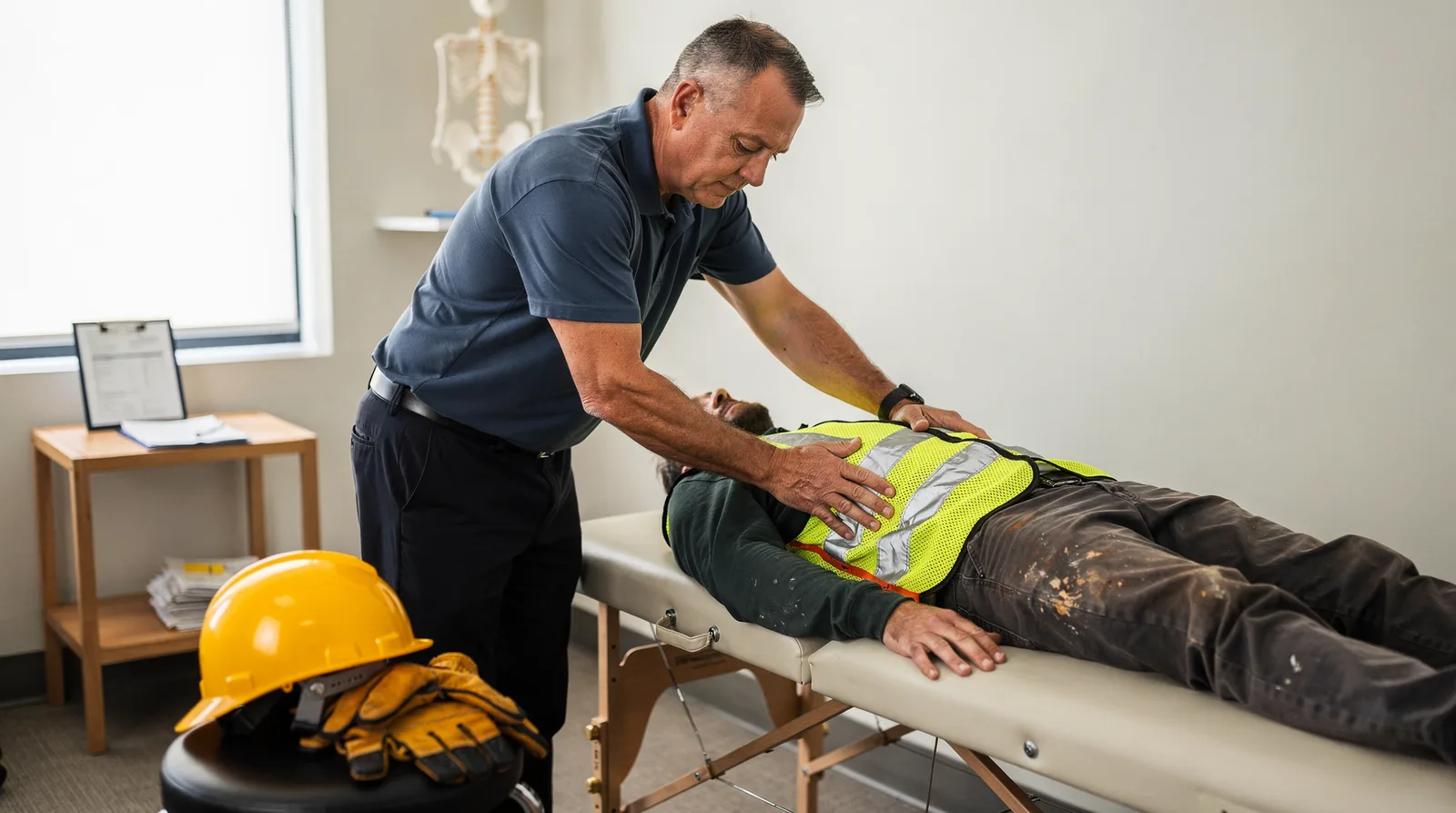
Workers’ compensation claims require medical evidence, and chiropractic documentation supplies exactly that. Pain management from workplace injuries starts with an accurate diagnosis, and that diagnosis becomes the foundation of a claim’s paper trail. Morgenstern Chiropractic builds structured recovery plans that track progress from the first visit onward, creating a record insurers and employers can review.
Dr. John Morgenstern brings a distinct advantage to this process. He holds California certification as a Qualified Medical Evaluator, a credential that carries weight in workers’ compensation cases. That certification means his assessments meet the standards state agencies expect when determining benefits or resolving disputes.
What documentation does an injured worker actually need?
Claims move faster with detailed, consistent records. Employers and insurance carriers look for clear injury descriptions, treatment timelines, and measurable progress notes tied to functional outcomes, not vague summaries.
- Initial diagnosis outlining the injury’s cause and severity
- A structured recovery plan with defined treatment milestones
- Ongoing documentation showing improvement or setbacks over time
- Evaluator findings suitable for legal or insurance review
Can a late injury report hurt the claim?
Yes. Employees hurt on the job qualify for workers’ compensation benefits, but the accident must be reported promptly. A delayed report gives insurers grounds to deny the claim entirely, regardless of the injury’s severity.
Timing matters as much as treatment quality. An injured employee who reports the incident right away and begins care with proper documentation protects both recovery and the financial support tied to that recovery.
Can Chiropractic Care Help Prevent Future Injuries?
Chiropractic care lowers the odds of re-injury by correcting posture, strengthening supporting muscles, and catching repetitive strain before it turns chronic. Effective pain management from workplace injuries depends on more than temporary relief — it requires fixing the underlying movement pattern that caused the injury in the first place. Skip that step, and the same lifting strain or shoulder injury often resurfaces within months, triggering another round of missed shifts and paperwork.
Recovery works better as a system than a single visit. Morgenstern Chiropractic layers massage therapy, structured pain relief and rehabilitation programs, and nutritional counseling around each patient’s chiropractic plan, building long-term resilience that one adjustment alone cannot deliver.
Documentation matters just as much as hands-on treatment. High standards in examination, record-keeping, and patient communication give injured workers. HR managers a clear, ongoing progress record — useful for workers’-comp reviews and for spotting warning signs before a minor ache becomes a repeat claim.
What Daily Habits Help Prevent Repeat Workplace Injuries?
Small, consistent habits matter more than occasional stretching. Employees recovering from a job-related injury benefit from:
- Regular posture checks during desk or repetitive-task work
- Scheduled rehabilitation exercises targeting the previously injured area
- Ongoing nutritional support to reduce inflammation and support tissue repair
- Follow-up chiropractic visits to track mobility and catch setbacks early
Paired with structured follow-up care, these habits keep minor strain from turning into a lasting disability.
Workplace injuries demand a structured, evidence-based recovery approach that addresses both immediate pain and long-term functional restoration. Chiropractic care delivers precisely this through precise diagnosis, controlled adjustments, and individualized treatment plans designed to restore mobility and prevent chronic complications. By prioritizing patient communication and measurable outcomes, this therapeutic model empowers injured workers to return to their professional responsibilities with confidence and sustained wellness.
FAQ
What technique does Morgenstern Chiropractic use to treat workplace injuries?
Morgenstern Chiropractic uses chiropractic adjustment techniques tailored to workplace injuries, focusing on spinal alignment and musculoskeletal treatment to help patients recover and return to normal function.
Why might someone with a workplace injury seek chiropractic care?
Workplace injuries often involve strains, sprains, or misalignments that chiropractic care can address through non-invasive, drug-free treatment methods aimed at restoring mobility and reducing pain.
What is the goal of chiropractic treatment for workplace injuries?
The goal is to help injured workers recover function, reduce pain, and support their return to work through targeted, personalized chiropractic care methods.
Facts
- Morgenstern Chiropractic is located in Torrance, California, US.
Conclusion
Workplace injuries respond best to care that treats the actual cause, not just the symptoms. Morgenstern Chiropractic addresses lifting injuries, repetitive strain, and accident trauma with low-force techniques like the Activator Method, restoring mobility while easing inflammation and pain. Just as important, every treatment plan builds the documentation injured employees and HR teams need to support a workers’-compensation claim from the first visit onward.
Recovery holds up best when it goes beyond a single adjustment. Pairing chiropractic care with massage therapy, rehabilitation, and nutritional counseling helps correct the underlying movement patterns behind an injury, reducing the chance it resurfaces. For employees recovering from a job-related injury, and for the HR and safety managers supporting them, that combination of hands-on treatment and clear documentation offers a structured, evidence-based path back to full function.