

First evaluations at Morgenstern Chiropractic include a full injury assessment, discussion of the accident, and review of pain patterns plus medical history. Dr. John Morgenstern, a California-certified Qualified Medical Evaluator, applies the Activator Method® for precise, low-force diagnosis, then builds a structured recovery plan with clear documentation supporting insurance or legal claims.
What Should I Expect During My First Consultation for an Accident Injury Evaluation?
A first consultation for an accident injury evaluation at Morgenstern Chiropractic opens with conversation, not treatment. Patients recovering from car crashes or workplace injuries sit down with a chiropractor to review what happened before any hands-on exam begins. Morgenstern Chiropractic, based in Torrance, California, evaluates patients across the region who need a documented, structured first visit after an accident.
Delayed pain from whiplash or a strained back often surfaces days after impact. Skipping this conversation risks misdiagnosis and weaker documentation for insurance claims. Details forgotten early are hard to reconstruct later, which can cost patients leverage with adjusters or attorneys.
What questions does the chiropractor ask first?
The consultation opens with questions about how the accident happened and which symptoms followed. Timing of pain, its location, and prior medical history all get recorded. This record becomes the foundation for treatment planning and injury documentation.
Does the first visit include a physical exam?
Yes. Once the conversation wraps up, a full evaluation follows, examining pain patterns and injury indicators throughout the body. Patients discuss the accident directly with the chiropractor and raise questions about the recommended approach before anything else proceeds.
A typical first consultation moves through these stages:
- Accident history and symptom conversation
- Review of medical background and prior injuries
- Physical evaluation for pain and movement limitations
- Discussion of findings and next steps for care
This sequence gives every patient a clear starting point. Nothing about the process feels rushed or vague. Each step builds toward an accurate diagnosis and a documented plan for recovery.

How Will Your Accident History Be Reviewed?
Morgenstern Chiropractic starts every accident injury evaluation with a structured review of what happened. How the body has responded since. Clients get a direct conversation first, not a physical exam. Skipping this step risks missing symptoms that don’t show up on a table but matter for treatment planning and documentation.
The consultation opens with a focused discussion about pain and mobility limitations. Dr. Morgenstern’s team asks clients to describe what feels different since the accident, whether that’s stiffness getting out of bed or trouble turning the head while driving. This conversation shapes everything that follows in the visit.
What questions will the chiropractor ask about the accident itself?
Clients can expect questions about the general medical history, the specific accident history, and current symptoms. These three pieces form the foundation of the evaluation. The team also wants the exact mechanics of the incident: how the collision or injury occurred, from what direction, and at what point pain or stiffness first appeared.
Will I be asked about pain right after the accident?
Yes. Clients get asked about any pain felt immediately after the incident and which parts of the body were affected. This detail matters because symptoms from whiplash or soft-tissue injury often surface hours or days later. An accurate early timeline strengthens both the clinical picture and any related documentation.
The intake typically covers:
- Prior injuries or existing musculoskeletal conditions
- How the accident occurred, step by step
- Areas of immediate pain or numbness
- Changes in mobility since the incident
Nothing about this process feels rushed. Each answer helps build a clearer, evidence-based picture before any hands-on assessment begins.
What Diagnostic Tests Might Be Used?
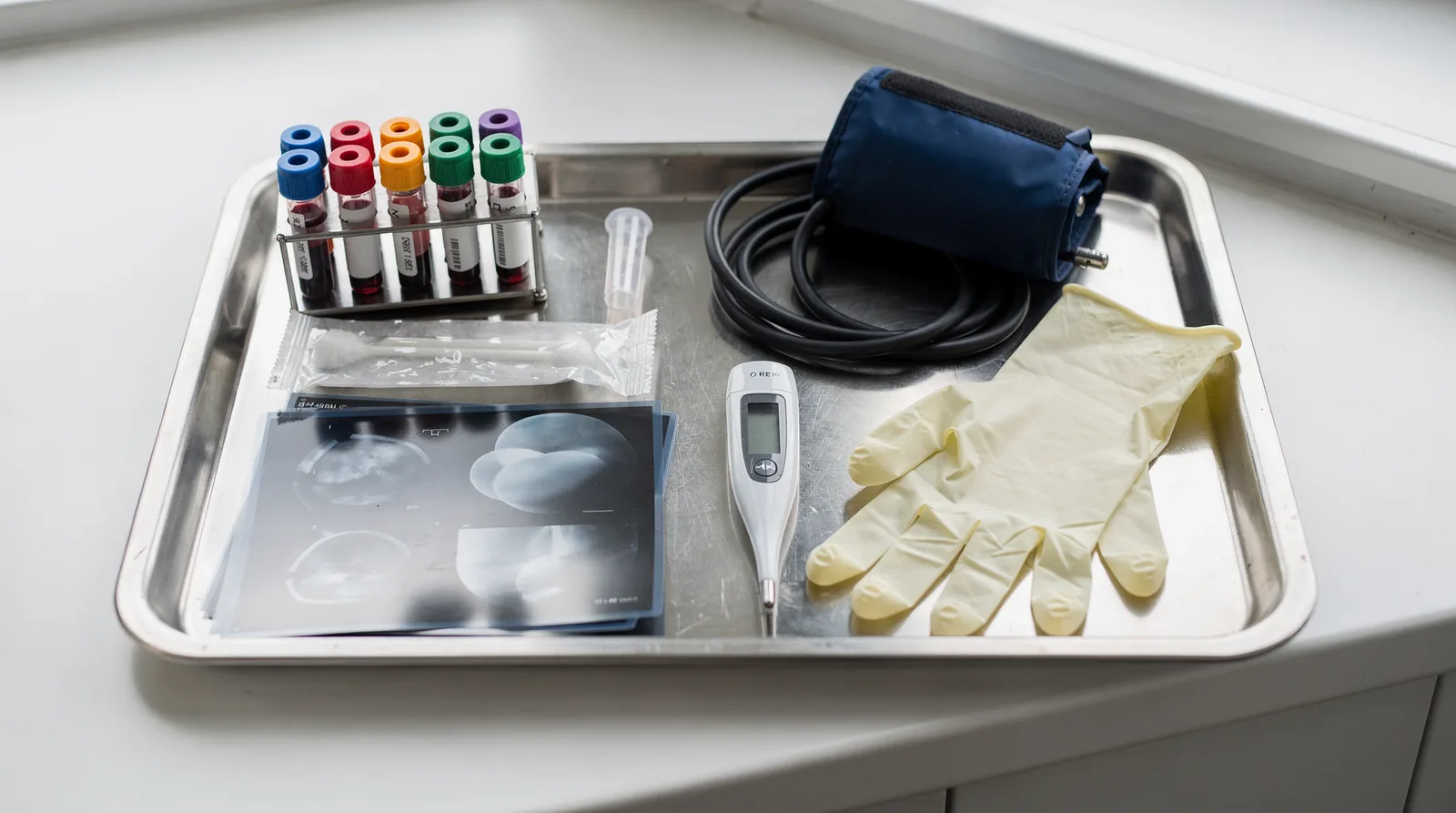
Diagnostic testing at Morgenstern Chiropractic pinpoints the exact location of an injury before treatment begins. X-rays often serve as the first tool, giving the chiropractor a clear picture of spinal alignment and soft-tissue stress after a collision or workplace incident. This step matters because guesswork has no place in accident recovery.
Patients wondering what to expect during a first consultation for an accident injury evaluation should know testing isn’t a formality. It drives the treatment plan itself. Diagnostic findings determine which techniques get used, how often visits occur, and what recovery milestones look realistic. Without imaging, a chiropractor cannot say with confidence whether pain stems from muscle strain, disc irritation, or joint misalignment.
Why does the chiropractor order imaging before starting treatment?
Imaging removes assumptions from the process. A car accident or work injury may produce internal damage that isn’t visible or immediately painful. Delaying that discovery risks worsening the condition. Morgenstern Chiropractic uses these findings to build a documented, evidence-based plan rather than a generic one.
The evaluation process typically includes:
- Initial x-ray review to locate injury sites with precision
- Discussion of symptoms alongside imaging results
- Selection of treatment methods based on confirmed findings
- Ongoing documentation to track progress and support any related claims
Once imaging clarifies the injury, Morgenstern Chiropractic applies evidence-based methods, including the Activator Method®, delivering controlled, low-force adjustments instead of forceful manipulation. This approach keeps care precise and comfortable for patients still recovering from acute trauma. Diagnostic clarity paired with a gentle, structured technique gives accident and injury patients a treatment path built on facts, not guesswork.

How Is Your Treatment Plan Documented?
Documentation begins the moment the exam and any diagnostic tests are complete. Morgenstern Chiropractic builds each treatment plan directly from those findings, creating a written record that connects the initial evaluation to every recommendation that follows. This structure gives patients a clear roadmap and gives adjusters or attorneys a paper trail that holds up under scrutiny.
Preparation matters just as much as the paperwork produced afterward. Patients who arrive with prior medical records, insurance information, and accident-related paperwork help the evaluation move faster and more accurately. That groundwork translates into a first accident injury evaluation consultation that captures a complete picture from day one, rather than piecing details together over several visits.
What Goes Into a Chiropractic Treatment Record?
A documented plan typically outlines the diagnosis, the specific techniques planned, and the measurable goals for recovery. Morgenstern Chiropractic ties each entry back to objective exam findings. Progress can be tracked visit by visit rather than described in vague terms.
Can Patients Ask Questions About the Plan Before Starting Care?
Yes. Patients are encouraged to raise any concerns about the proposed treatment during the initial evaluation, before care begins. This conversation gets noted alongside the clinical findings, reinforcing accountability between the practice and the patient.
Consistent documentation serves a second purpose beyond clinical tracking: it supports the medical and legal needs that often follow a car accident or workplace injury. Records built this way withstand review from insurance carriers and legal representatives. They trace a measurable path from injury to recovery rather than relying on assumptions.
What Should You Bring to Your Appointment?
Patients preparing for the first consultation for an accident injury evaluation should arrive with documentation, not just discomfort. Morgenstern Chiropractic, serving patients in Torrance, California, recovering from personal injuries and work-related injuries, relies on accurate records to build a clear picture of what happened and how the body responded. Missing paperwork slows that process down.
Medical and insurance documents matter most. Bringing accident reports, prior medical records, and insurance information to the initial visit helps the treating chiropractor construct an accurate timeline of the injury. That record becomes essential later, especially if a claim or legal case develops around the accident.
A short checklist keeps the visit efficient:
- Photo ID and insurance card
- Police report or accident report number, if available
- Any prior imaging, ER discharge paperwork, or referral notes
- Contact information for an attorney or claims adjuster, if one is assigned
- A written timeline of symptoms since the accident
Why does documentation matter even for a minor accident?
Minor collisions still cause hidden damage. A minor fender-bender can leave the body feeling sore, stiff, or simply “off” in ways that don’t surface immediately. Without records connecting the accident date to the onset of symptoms, insurers and attorneys have less to work with later.
What if symptoms haven’t started yet?
Delayed pain is common, not rare. Neck pain, back pain, and stiffness frequently appear days after impact, even when a patient initially feels fine. Documenting the accident early, before symptoms peak, gives the chiropractic record more credibility down the line.
FAQ
What happens first during the evaluation?
The visit opens with a conversation about the accident and symptoms, not treatment. Dr. Morgenstern’s team reviews accident history, medical background, and current pain patterns before any physical exam begins.
Yes, a full evaluation follows the conversation, examining pain patterns and injury indicators throughout the body. Dr. Morgenstern applies the Activator Method® for precise, low-force diagnosis.
What questions does the chiropractor ask about the accident?
The team asks how the collision occurred, from what direction, and when pain or stiffness started. They also review general medical history and current symptoms to build the evaluation’s foundation.
Facts
- Morgenstern Chiropractic is located in Torrance, California, US.
Conclusion
The first consultation for an accident injury evaluation at Morgenstern Chiropractic is built around clarity: a thorough conversation about the accident, a hands-on exam, diagnostic imaging when needed, and a documented treatment plan that ties every recommendation back to objective findings. This structure protects patients twofold — it guides a safe, evidence-based recovery, and it produces the kind of thorough documentation that holds up with insurance adjusters and attorneys. Arriving prepared with medical records, accident details, and insurance information helps the process move faster from the very first visit. Patients recovering from a car accident or workplace injury in Torrance, California can expect a visit that takes their symptoms seriously from the start and builds toward a clear, well-documented path forward.